
|
Elizabethan II Study Group Journal: The Corgi Times Glossary |
F | |||||||||||||||||||||||||||||||||||||||||||||||||||||||||||||||||||||||||||||||||||||||||
| Face value - the postage or denomination of a stamp at the time it was sold by the post office. Even a non-denominated stamp has a face value. | |||||||||||||||||||||||||||||||||||||||||||||||||||||||||||||||||||||||||||||||||||||||||
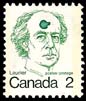
| Fake - a genuine stamp, cancellation or cover that has been fraudulently altered.
See also: counterfeit, forgery |
 Fake |
||||||||||||||||||||||||||||||||||||||||||||||||||||||||||||||||||||||||||||||||||||||||
| Fasson - a manufacturer of paper used on Elizabethan-era self-adhesive stamps. | |||||||||||||||||||||||||||||||||||||||||||||||||||||||||||||||||||||||||||||||||||||||||
| FDC - acronym for First Day Cover. | |||||||||||||||||||||||||||||||||||||||||||||||||||||||||||||||||||||||||||||||||||||||||
| Find - a new discovery, usually of something that was not thought to exist. It can be a single item or a hoard of stamps or covers. | |||||||||||||||||||||||||||||||||||||||||||||||||||||||||||||||||||||||||||||||||||||||||
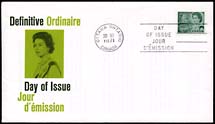
| First Day Cover - an envelope on which a stamp is placed and cancelled on the first day of issue of that stamp. Typically a cachet is applied to the left side of the envelope describing the stamp's issue.
Since 1971, Canada Post has been issuing its own Official First Day Covers which has resulted in virtually no market for collector-serviced FDCs. See also: Combination first day cover |
 First Day Cover |
||||||||||||||||||||||||||||||||||||||||||||||||||||||||||||||||||||||||||||||||||||||||
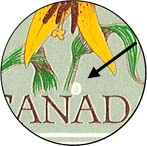
| Flaw - a defect in a plate, causing an identifiable variety in the stamp itself.
If the flaw occurs in the same spot on the plate over the entire printing run, it is said to be constant. Most flaws are not constant. |
 Flaw |
||||||||||||||||||||||||||||||||||||||||||||||||||||||||||||||||||||||||||||||||||||||||
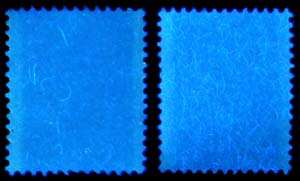
| Flecked paper - fluorescent
fibers imbedded in the stamp paper. A
UV light will
"excite" these fibers and make them glow. Sometimes
referred to as "speckled fluorescence". Varying amounts of "flecking" may appear in the paper. |
 Flecked paper |
||||||||||||||||||||||||||||||||||||||||||||||||||||||||||||||||||||||||||||||||||||||||
| Fluorescence - the reaction of the stamp paper when exposed by an
ultraviolet (UV) light. Levels of fluorescence (flrsc) include: Dead, Dull (NF), Low (LF), Medium (MF), High (HF), and Hi-brite (HB). The 'brighter' the fluorescence, the whiter the stamp (under the UV light); the duller varieties are darker (grey to black) under the UV light. Determining the fluorescence of a stamp is generally subjective in nature. |
|||||||||||||||||||||||||||||||||||||||||||||||||||||||||||||||||||||||||||||||||||||||||
|
|||||||||||||||||||||||||||||||||||||||||||||||||||||||||||||||||||||||||||||||||||||||||
|
There are several instances on Canadian Elizabethan II-era stamps where the printing ink will fluoresce ('glow') when exposed to a UV light. These include:
The technical term of fluorescence is "emission of radiation, usually as visible light from and only during the absorption of radiation from some other source" (i.e. an ultraviolet light). |
|||||||||||||||||||||||||||||||||||||||||||||||||||||||||||||||||||||||||||||||||||||||||
| Flyspecking - the 'art' of studying hundreds or thousands of a specific stamp looking for minute variations in the hope of finding constant plate varieties. | |||||||||||||||||||||||||||||||||||||||||||||||||||||||||||||||||||||||||||||||||||||||||
| Fold over - a very dramatic form of variety that results from a corner of the printing paper being folded over during the printing process. This fold can occur before any printing occurs or part way through the printing process. |
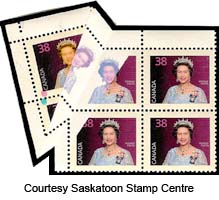 Fold over |
||||||||||||||||||||||||||||||||||||||||||||||||||||||||||||||||||||||||||||||||||||||||
| Forgery - any stamp or cover made to deceive a stamp collector.
See also: counterfeit, fake |
 Forgery (double perf) |
||||||||||||||||||||||||||||||||||||||||||||||||||||||||||||||||||||||||||||||||||||||||
| Freak - an abnormal, usually non-repetitive occurrence in the production of stamps. Most paper folds (see above), overinking, ink smears, and perforation shifts are freaks. Those abnormalities occurring regularly are called varieties or major errors. |
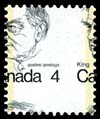 Freak (perforation shift) |
||||||||||||||||||||||||||||||||||||||||||||||||||||||||||||||||||||||||||||||||||||||||
| Front - the front of a cover with most or all of the back and side panels torn away or removed. Fronts are less desirable than an intact cover. | |||||||||||||||||||||||||||||||||||||||||||||||||||||||||||||||||||||||||||||||||||||||||

|
© 2001-2017, 2018 
Website design by: Adminware Corporation. For information or questions regarding this website, please contact Robin Harris |